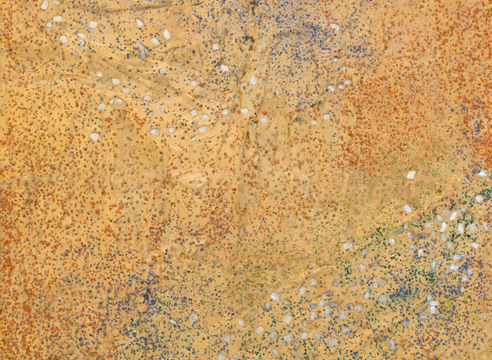

Francesca DiMattio

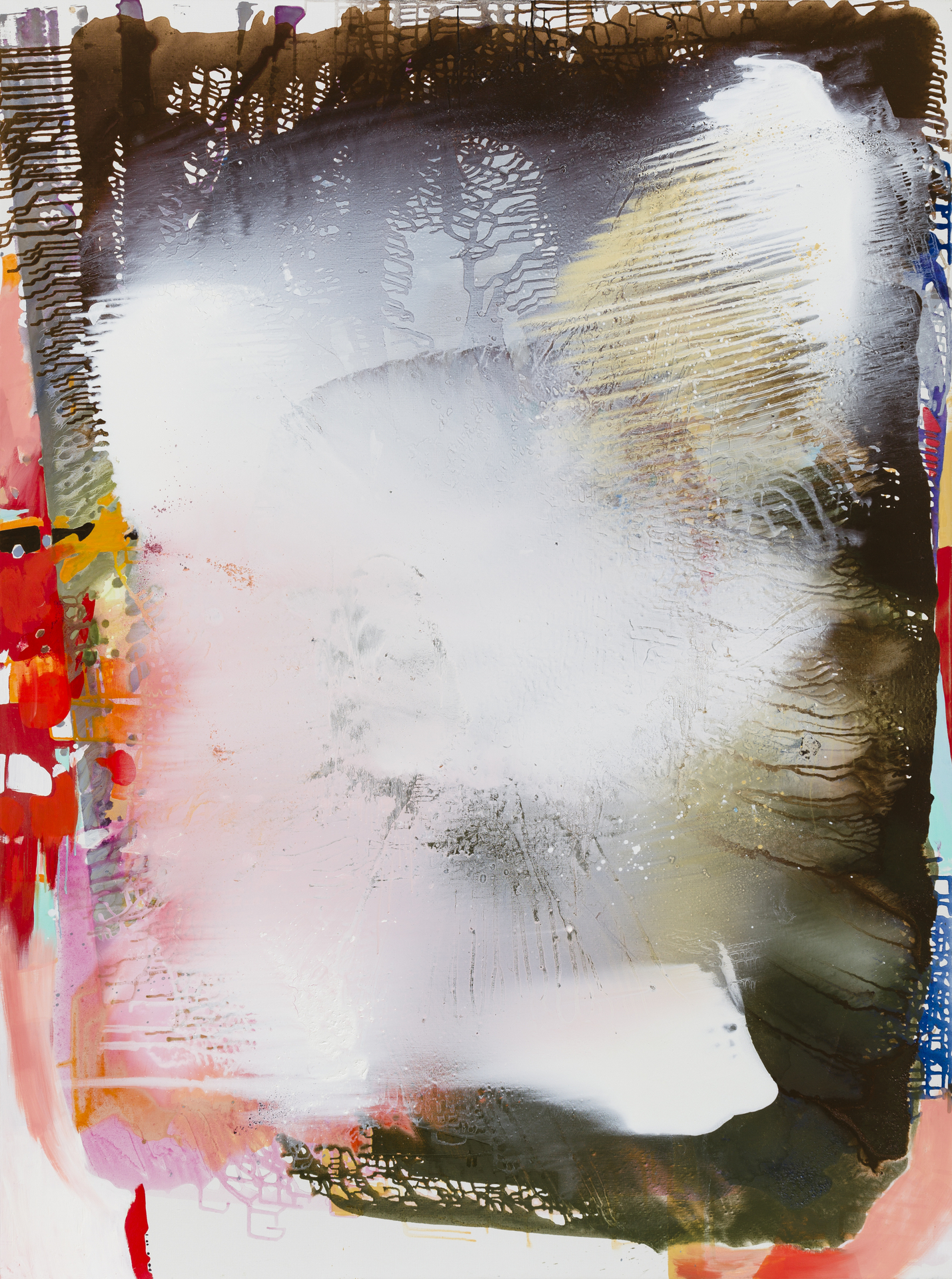
Jackie Saccoccio
Profile (Roy II Convex), 2014
oil and mica on linen
106 x 79 in.
269.2 x 200.7 cm.
(JSAC001)
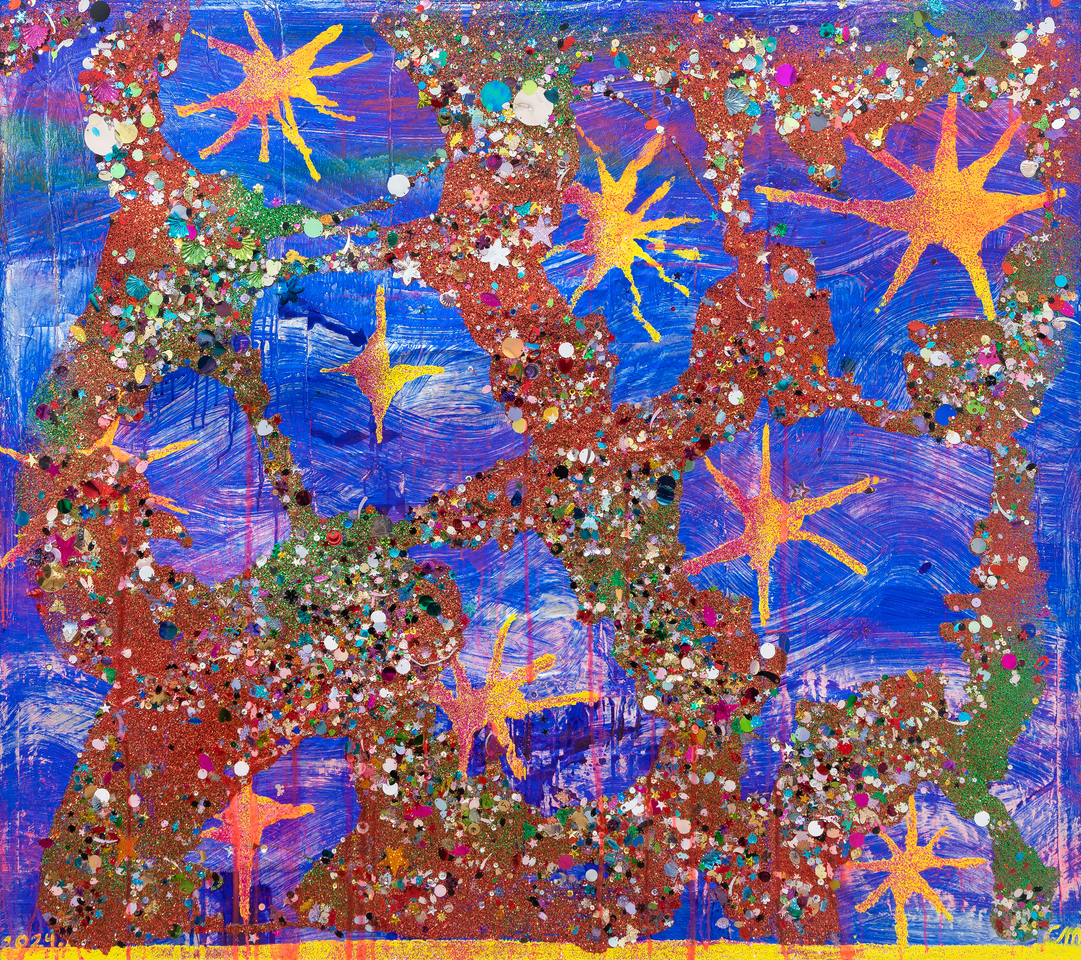
Chris Martin
Untitled, 2024
acrylic, acrylic gel medium, glitter and sequins on aluminum foil mounted on canvas
51 x 47 in.
129.5 x 119.4 cm.
(CMART003)
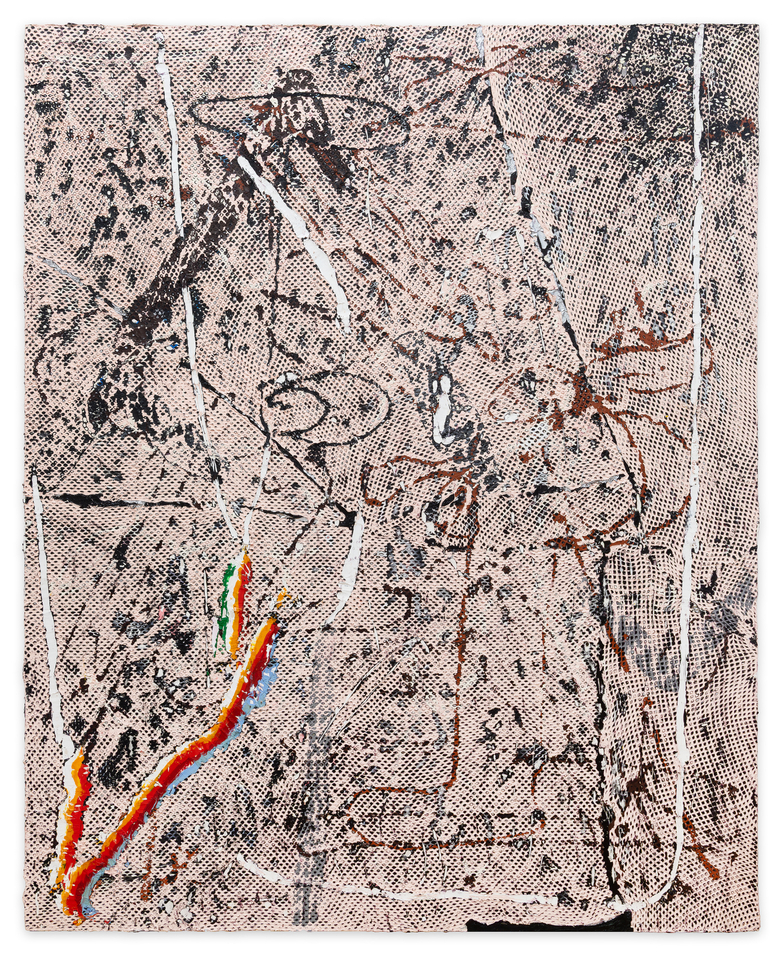
Garth Weiser
Untitled, 2019
oil on canvas
89 x 72 in.
226.1 x 182.9 cm.
(GWEIS001)
Regina Bogat & Alfred Jensen • Trudy Benson & Russell Tyler • Claudia DeMonte & Ed McGowin • Francesca DiMattio & Garth Weiser • Tamara Gonzales & Chris Martin • Madge Knight & Charles Houghton Howard • Luchita Hurtado & Lee Mullican • Sahar Khoury & Alicia McCarthy • Caitlin Lonegan & Spencer Lewis • Jeanne Reynal & Thomas Sills • Joyce Robins & Thomas Nozkowski • Jackie Saccoccio & Carl D’Alvia • Michelle Segre & Steve DiBenedetto
Eric Firestone Gallery is pleased to present Couples, an exhibition of work by 26 artist-partners. A throughline in the exhibition is artwork that visualizes component parts, distinct but coming together into a whole. This aesthetic becomes a metaphor for connection, partnership, and individuals belonging to a larger community and consciousness. Many of these abstract paintings and sculptures suggest the bridging of spaces between personhood, the digital world, and the cosmos.
Historic work by three artist-couples associated with American Surrealism are included: Jeanne Reynal and Thomas Sills; Luchita Hurtado and Lee Mullican; Madge Knight and Charles Houghton Howard. Hurtado’s work fuses abstraction, landscape, and the body. Reynal used individual hand-cut mosaic tiles to create topographic and resonant surfaces – a parallel to Mullican’s vibratory fields. Sills, a Black artist originally from North Carolina, used a delicate and unusual palette to synthesize the figure/ground relationship with optical equivalencies between colors. This is the first time the gallery is presenting work by the Bay Area based Surrealists Madge Knight (who was British-American), and Charles Houghton Howard. Howard’s meticulous compositions suggest the metamorphosis of forms floating in voids. Views through layered grids and screens are fundamental to work by Alfred Jensen, Regina Bogat, Tamara Gonzales, Garth Weiser, Trudy Benson, and Alicia McCarthy. Jensen’s grids were informed by a spectrum of information, from numerical systems to theology and planetary movements. Bogat’s stick paintings of the 1980s use repeating, patterned structures to disrupt a monochrome ground. Benson references early computer art, while Weiser overlays handmade marks with a pixelated grid. McCarthy’s grids embrace imperfection with their painterly drip; Gonzales exuberantly blends mysticism and modernism.
Other artworks utilize a combination of techniques to suggest portals and multidimensional worlds. Russell Tyler uses a pared-down vocabulary of color and form to visually guide us between illusory spaces. Joyce Robins’s glazed and hand painted circular ceramics are pierced throughout, allowing light to move through them and evoking constellations. Michelle Segre also invokes nebulae in her free standing sculptures – constructed with metal, acrylic polymer and yarn; they are like screens between two worlds. Jackie Saccoccio’s work explores atmosphere through paint’s fluidity; Caitlin Lonegan incorporates metallic pigment to cultivate flickering light in her work.
Surface layering, and the playful incorporation of untraditional materials is a theme running through the exhibition. Chris Martin’s work incorporates sequins, and glitter; Spencer Lewis’s abstractions are densely impastoed paintings on jute. Steve DiBenedetto allows visceral encrustations of oil paint to build into networks of forms. Subtle humor in materiality runs through the post-pop auto-painted aluminum sculpture of Carl D’Alvia, as well as the “plastic” (vacuum formed and painted polycarbonate) modular wall works of Ed McGowin.
An embrace of domesticity and the intimate can be found in work by Francesca DiMattio, Sahar Khoury, and Claudia DeMonte, who each use materials associated with craft. DiMattio layers a cacophony of references, including a diaper box and household cleaning spray, into her towering figurative ceramic and stoneware sculpture. Khoury, who refers to her work as dioramas, incorporates a cat food box as the support for her more intimate, geometric sculpture made of paper maché, ceramic, and resin. DeMonte’s Charmed Life, made of acrylic and pulp paper, references personal charm trinkets, arranged on the wall into a playful community. The aggregation of materials and references becomes a spark of optimism about radical connection.